Community in Christ
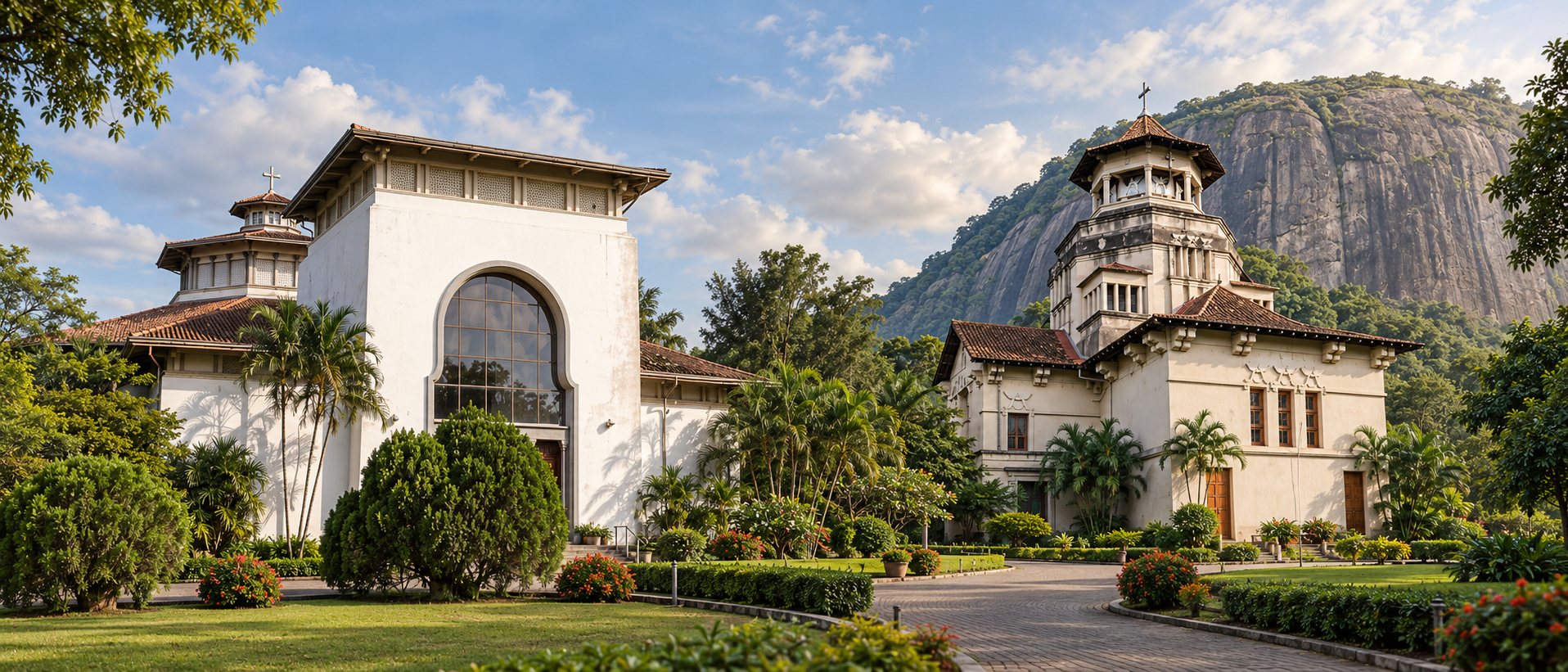
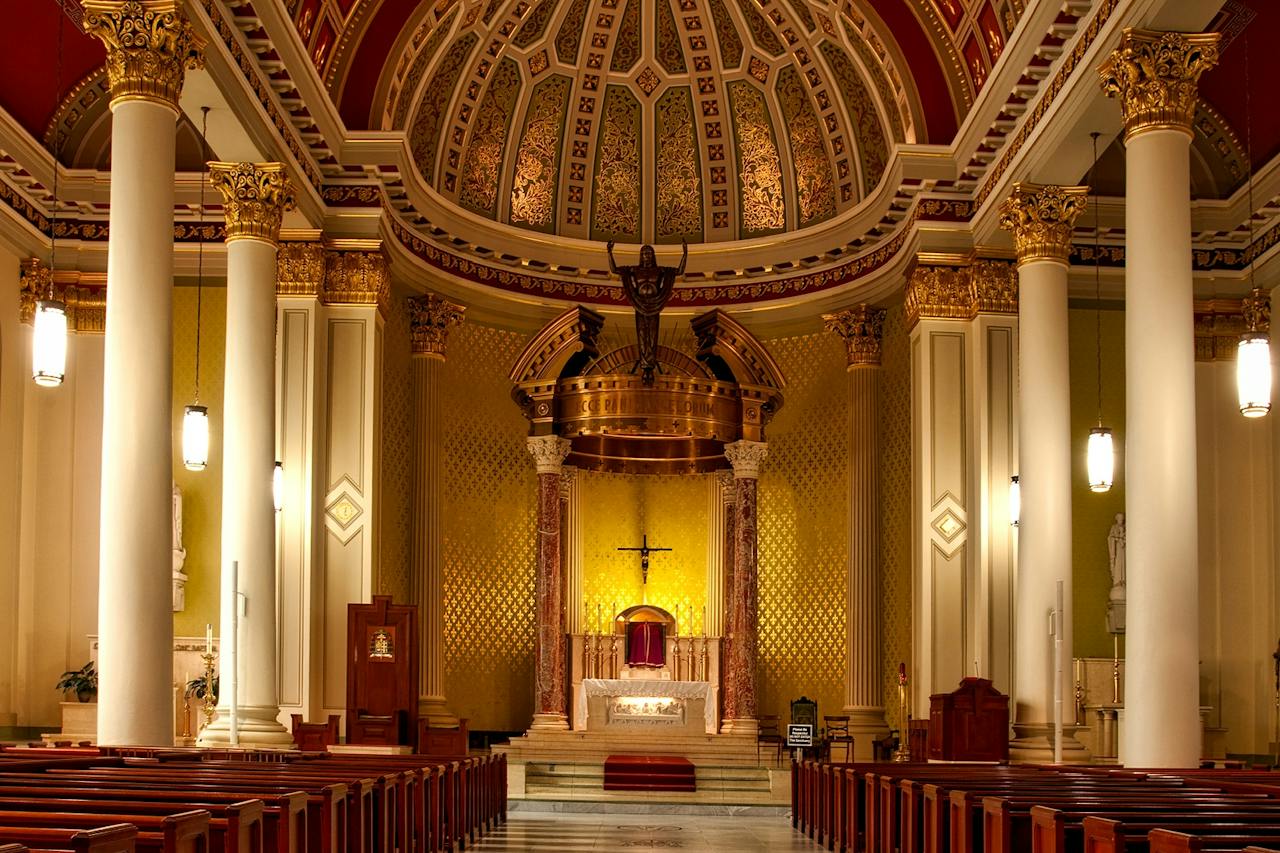
The Diocese of Colombo is a community of Christian faithful, united in common spiritual practice within a demarcated region: in our case, an island-wide region headquartered in Colombo. The Diocese is headed by a senior clergy leader titled Bishop. It is the older and larger of the two dioceses of the Church of Ceylon, the British-originated Anglican church in Sri Lanka. The second is the Diocese of Kurunegala, which comprises a regional Anglican community in the north-central, north-western and central parts of the island.
The Anglican Church is one of several large European-based Protestant church communities that, between the 16th and 19th centuries, gradually established themselves as church denominations independent of the original Roman Catholic Church, headquartered in the Vatican City, adjoining Rome.
Our Diocese was formally constituted by Letters Patent in 1845, and our first Bishop, the Right Reverend James Chapman, arrived in Colombo on 7 November of that year. We still keep that date as Diocesan Day.
Life and structure of our Diocesan Community
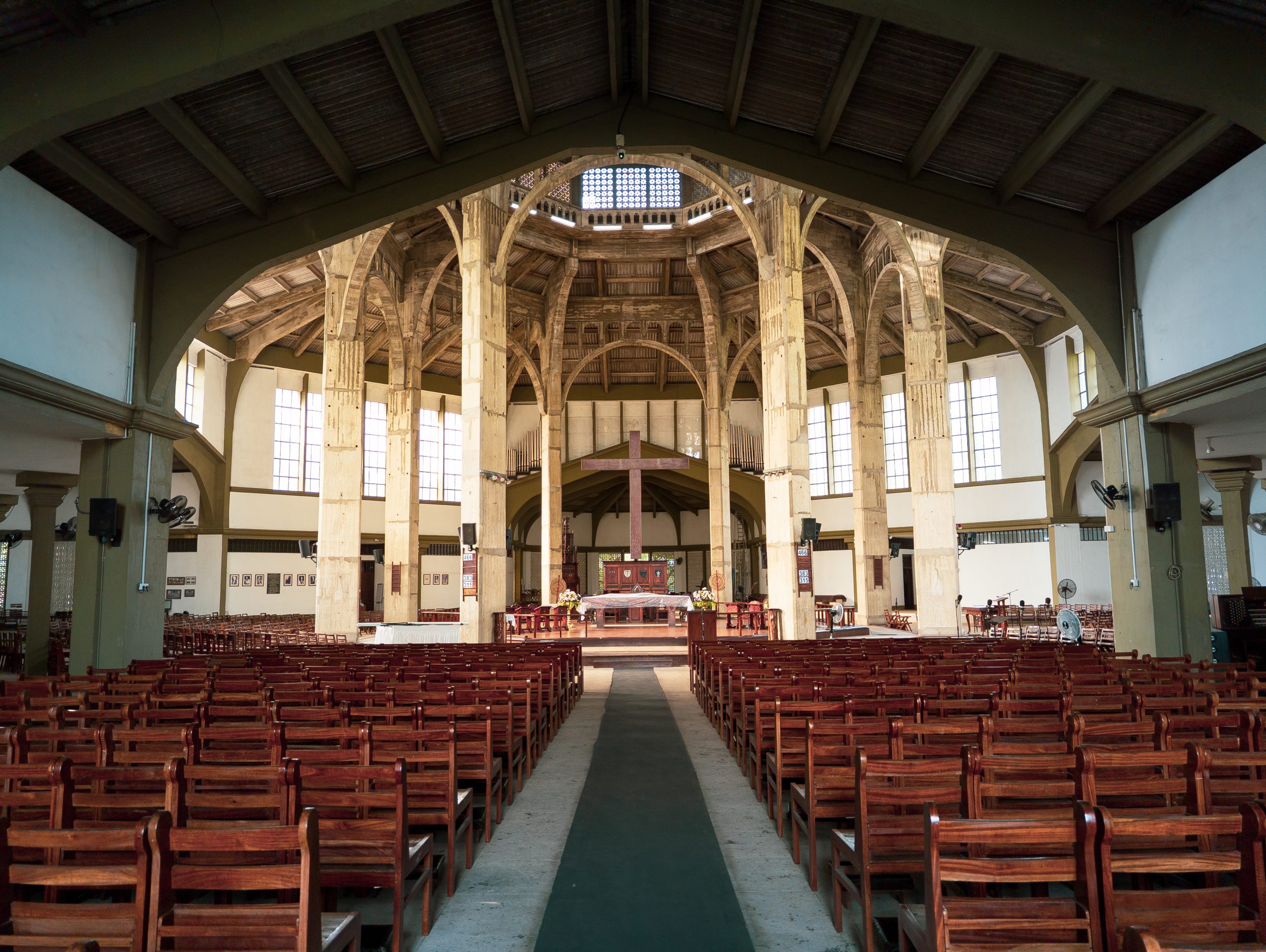
Today the Diocese of Colombo reaches almost the whole island. There are 126 parish congregations in our care, grouped into nine area deaneries and clustered under four larger archdeaconries. We worship in Sinhala, Tamil and English, often in the same parish building on the same Sunday morning.
The Diocese is headquartered in Colombo. Its territory extends from Kilinochchi and Jaffna in the north, through Trincomalee, Batticaloa, Ampara and Monaragala in the east, across the hill country of Nuwara Eliya and Badulla, through parts of the Ratnapura and Kegalle districts, and along the west coast from Puttalam and Negombo down to Galle, Matara and Hambantota.
The four archdeaconries are Colombo, Galle, Jaffna and Nuwara Eliya. Within them are the nine area deaneries: Colombo North, Colombo South, Sabaragamuwa, Moratuwa, Galle, Jaffna, Up Country, Eastern Province and Uva Province. The 126 parishes within this structure are a diverse mix of village and city parishes, along with many Up Country estate community parishes.
Our People
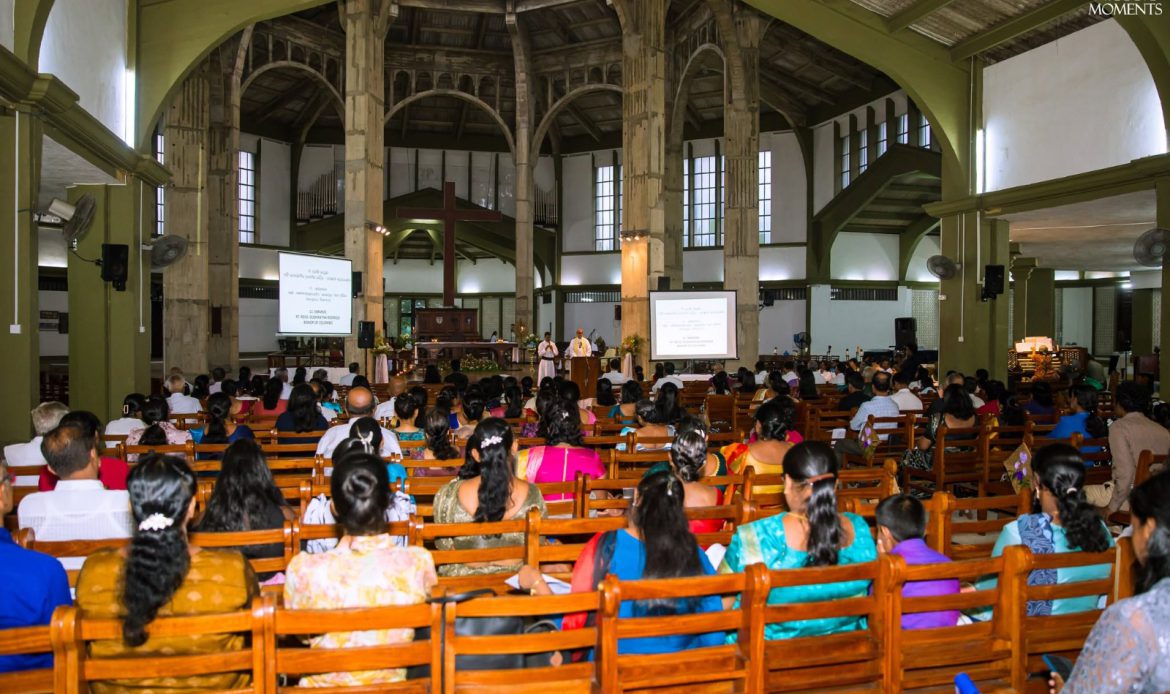
As with the other Sri Lankan Christian communities, the Diocese of Colombo is made up of all social groups: the poor, the middle classes and the wealthy, various caste groups, and the diverse ethnicities of the island, namely Sinhala, Tamil, Malaiyaga Makkal, Burgher and Bharatha, as well as people of mixed ethnicity.
Our Institutions
This Diocesan community life is enabled by educational programmes and schools run by the Diocese (designed to support national social policy), by other youth and adult activity designed to build a spirit of cooperation, and by charitable institutions meeting the needs of the poor and afflicted in our country. Parishes and the Diocesan Council regularly respond to emergencies such as natural disasters and political conflicts, monitoring and helping meet the needs of local people affected. Our clergy are trained to respond to such situations, and parish members are prepared to join in this service.
This training and preparation is provided by the Theological College of Lanka, Pilimatalawa, the Cathedral Institute, and parish level programmes that bring in subject experts.
This training and preparation is provided by the Theological College of Lanka, Pilimatalawa, the Cathedral Institute, and parish level programmes that bring in subject experts.
Our Vision
Our Diocesan life is a celebration of our community as Christian faithful. Our family, parish and institutional life nurture our faith in the Divine and our mission in life of bearing witness to the teachings of our Lord and Saviour Jesus Christ.
Our Anglican community life builds social cooperation and sharing for mutual wellbeing, with each of us contributing according to our ability (Acts 11:29), so that each receives according to their need (Acts 4:35). Ultimately, we are inspired by the supreme example of Divine Love as incarnate in the Life, Ministry, Crucifixion and Resurrection of our Lord Jesus Christ.
Our Anglican community life builds social cooperation and sharing for mutual wellbeing, with each of us contributing according to our ability (Acts 11:29), so that each receives according to their need (Acts 4:35). Ultimately, we are inspired by the supreme example of Divine Love as incarnate in the Life, Ministry, Crucifixion and Resurrection of our Lord Jesus Christ.
Our Mission
We grow up to be true Anglican citizens of Sri Lanka, contributing, in accordance with our Faith, to the wellbeing of our nation and to social peace and justice in our country and the world. We rejoice in Peace and are committed to tirelessly redressing injustice, suffering (of people and of the environment) and conflict, so that we build, with Divine Grace, that Peace.
Our life as Anglican Christians, from childhood to youth to adulthood, is shaped by our Anglican Church to go forth into the world and express this Divine Love through prayer and sustained action among our fellow Sri Lankans. Such is our Vision of ushering in the Reign of God.
Our life as Anglican Christians, from childhood to youth to adulthood, is shaped by our Anglican Church to go forth into the world and express this Divine Love through prayer and sustained action among our fellow Sri Lankans. Such is our Vision of ushering in the Reign of God.
The Marks of Mission
"I came that they may have life, and have it abundantly." (John 10:10)
The Anglican Communion sets out five Marks of Mission: to tell, to teach, to tend, to treasure and to transform. The Church of Ceylon works to six. The sixth is Transcend, and it means becoming open to understanding what God is already doing among people who are not us, and joining in.
In a country of four major religions and a long memory of what division costs, that is not a decorative addition. It is a statement about how this church intends to behave.
The Church of Ceylon
The Church of Ceylon is made up of the Dioceses of Colombo and Kurunegala. It is affiliated to the worldwide Anglican Communion, headed by the Archbishop of Canterbury in the United Kingdom, who serves as its Metropolitan.
The two dioceses meet as the General Assembly, currently presided over by the Bishop of Colombo, with the Bishop of Kurunegala as Vice President.
A number of bodies are shared between the two dioceses, including the Joint Liturgical Commission, the Joint Theological Commission and the Communications Board.